Not Mine to Choose
Aug 11, 2026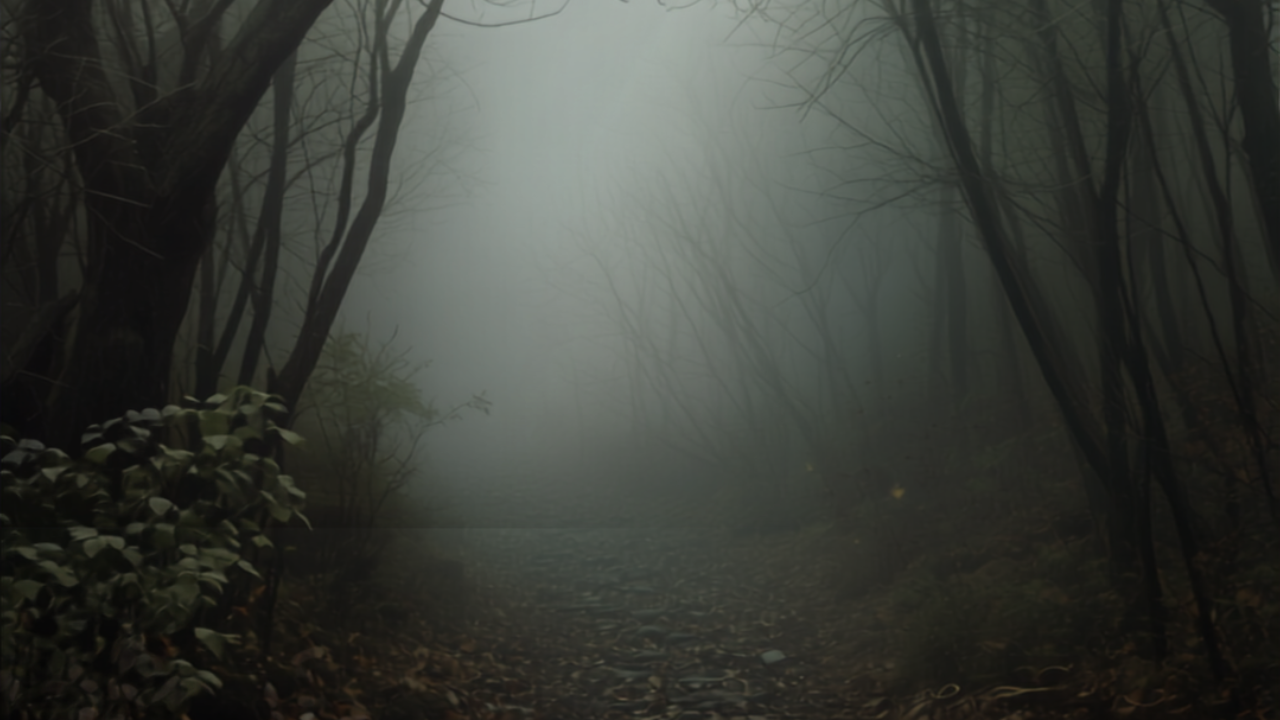
There is a path. And there is someone on it who matters. Someone you love, someone you would do almost anything for. And you can see the stones clearly from where you're standing.
You know which ones are stable. You know which ones look solid but will shift under weight. You've watched enough people walk enough difficult paths to have real knowledge about this. And still...it isn't your path. It was never your path. And the stones aren't yours to choose.
Most clinicians know this feeling. Not from the therapy room—from life. From the particular experience of loving someone who is going through something hard and finding that all the training, all the discipline, all the hard-won capacity to hold space without directing—none of it makes this easier.
If anything, it makes it harder.
The training doesn't turn off.
This is the part that surprises people who haven't lived it.
We are trained to hold space. To follow the client's lead. To resist the urge to fix, to redirect, to choose the next stone for someone who needs to find it themselves. We know—genuinely, deeply, in our bones—that the path belongs to the person walking it.
And then it's someone we love.
And the knowing doesn't help the way we thought it would. Because knowing that autonomy matters, knowing that people have to find their own way, knowing all of it. It doesn't quiet the part of us that can see exactly where we'd step if it were ours. Doesn't silence the voice that wants to say, "not that one, this one, here, let me show you."
The discipline that serves our clients so well becomes the discipline we have to practice on ourselves. And it costs something different when it's personal. The professional distance isn't available. The clinical frame isn't there to hold us. It's just us, standing on our own path, watching.
What standing on your own path actually requires.
It requires trusting that the person you love has access to something you can't see from where you're standing. That their path has its own logic, even when it looks uncertain from the outside. That the stones that feel wrong to you might be exactly right for them...or might need to be wrong first, as part of how they find their footing.
It requires holding the fear without letting the fear make decisions.
It requires the particular kind of love that doesn't need to be useful in order to be present. That can stay close without taking over. That can witness struggle without rushing to end it.
That is not passive. That is not indifference. That is some of the most active, disciplined, quietly exhausting work there is.
We don't talk about this enough.
The clinician who is also a person who loves people. Who goes home from a day of holding space with extraordinary skill and then has to practice that same holding with someone who doesn't know they're doing it, and wouldn't want them to.
Who sits with the not-knowing—not clinically, not professionally, but personally, in the middle of the night, the way everyone sits with it when someone they love is struggling.
Who knows better than most people that they cannot walk the path for someone else...and feels the weight of that knowing more acutely, not less, because of the work they do.
If that's you right now—or if it has been you, or if you know it will be someday—you're not alone in it.
Standing on your own path, watching someone you love struggle, and resisting the urge to choose their stones for them.
That's some of the hardest work there is.
Dr. Jamie English is a licensed clinical social worker, supervisor, and educator. The DJ English blog explores the inner life of the clinician — the parts of this work we don't always talk about out loud.
Follow reflections on body image, clinical work, and the ongoing work of becoming more fully ourselves