You Can't Rush the Cat
Oct 06, 2026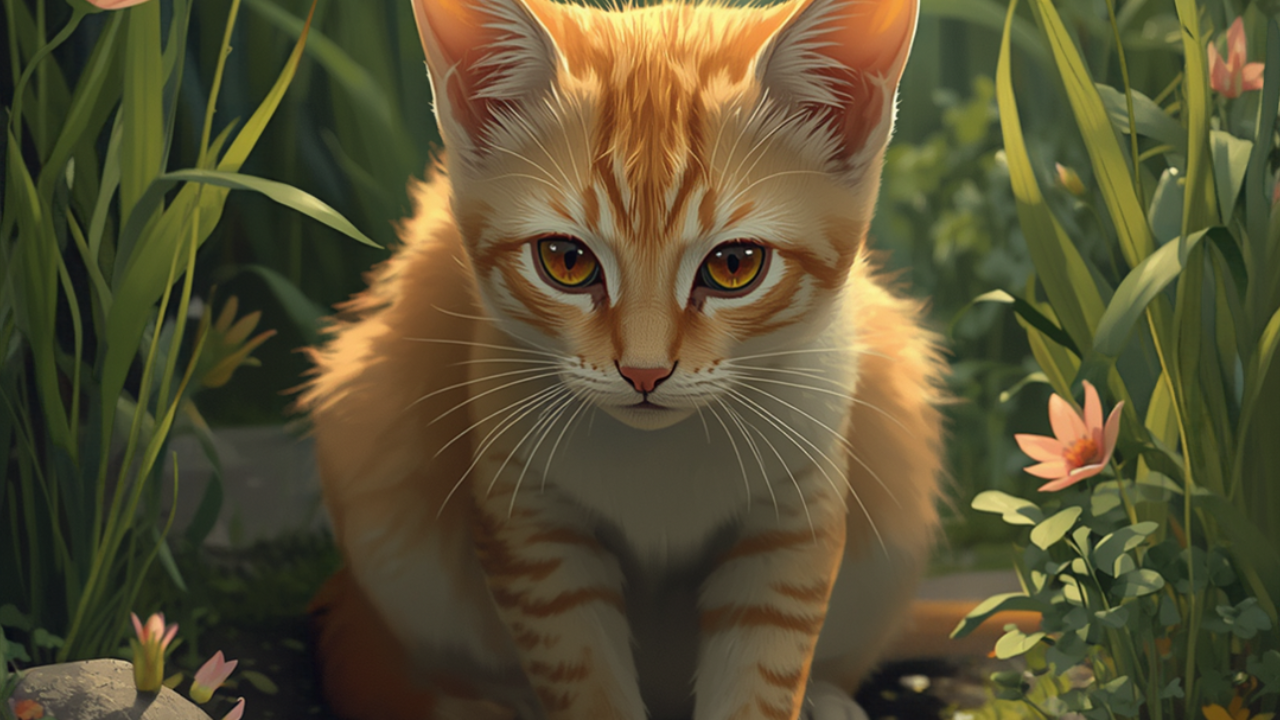
There is a feral cat in the garden.
You've seen it a few times now...quick glimpses, mostly. It disappears the moment it knows you're there. You want to befriend it. You can see, somehow, that underneath the wariness there is something worth knowing. But every time you move toward it too quickly, it's gone.
So you learn. You stop rushing. You start sitting quietly near the garden, not looking directly at it, just being present without agenda. You put out a small can of tuna and then—this is the important part—you get out of the way. You let it come to you on its own timeline, in its own time, when it decides it's safe enough.
It takes days. Sometimes weeks.
And it works, eventually, precisely because you stopped trying to make it work faster.
I think about this constantly in the context of nervous system work with our clients, and with ourselves.
The nervous system is a feral cat.
Not broken. Not bad. Not resistant in any way that means something is wrong.
Just...shaped by experience. Wary in ways that made complete sense once, that may still make sense in certain contexts, that are doing exactly what a nervous system is supposed to do when it has learned that the world requires vigilance.
You cannot talk it out of that wariness. You cannot logic it into feeling safe. You cannot rush toward it with the best of intentions and expect it not to bolt.
What you can do is exactly what you'd do with the cat: show up consistently, move slowly, put out the tuna, and get out of the way.
What "getting out of the way" looks like clinically.
We are trained to intervene. To offer the reframe, the interpretation, the next tool. And sometimes that's exactly right. That might look like a well-timed intervention that opens something up.
But sometimes the most clinically sophisticated thing we can do is nothing. Or close to nothing. To sit in the garden without rushing toward the cat. To create the conditions for safety without demanding that safety arrive on our schedule.
It looks like not filling the silence when the silence is doing something.
It looks like following the client's pace even when our clinical instinct thinks they're ready to go faster.
It looks like trusting that the nervous system—which learned its wariness over years, sometimes decades—is not going to unlearn it in six sessions because we have good technique and genuine care.
The cat comes when it's ready. Not when we're ready.
And then there's our own garden.
Here's the part worth sitting with.
Many of us are also, quietly, trying to befriend our own feral cat. Our own nervous system, shaped by our own history, wary in our own particular ways. And we bring to that process the same impatience we sometimes have to catch ourselves bringing to our clients, the sense that we should be able to move this faster, that knowing how it works should somehow accelerate it.
It doesn't. Knowing how nervous system change works is useful. It is not a shortcut.
The tuna still has to be put out. The space still has to be created. The getting-out-of-the-way is still required (maybe especially required) when you're the one who knows exactly why the cat is feral in the first place.
Understanding the mechanism doesn't exempt you from the timeline.
What patience actually looks like.
Not passive. Not giving up. Not resigning yourself to nothing changing.
Patient like a person who really wants to know that cat. Who shows up every day, who moves a little closer over time, who celebrates the first time it doesn't run. Who understands that trust built slowly is the only kind that lasts.
That's what we're doing with our clients, and with ourselves. Showing up. Moving carefully. Putting out the tuna.
Getting out of the way.
Dr. Jamie English is a licensed clinical social worker, supervisor, and educator. The DJ English blog explores the inner life of the clinician — the parts of this work we don't always talk about out loud.
Follow reflections on body image, clinical work, and the ongoing work of becoming more fully ourselves